
The Latest Trends in Rug Design: Sustainability, Bold Patterns, New Shapes
- Marah

- Dec 3, 2024
- 2 min read
As homeowners increasingly prioritize style and sustainability, rugs are emerging as statement pieces that tell a story, reflect values, and elevate interiors. Here’s a closer look at how these trends are shaping the rug industry.
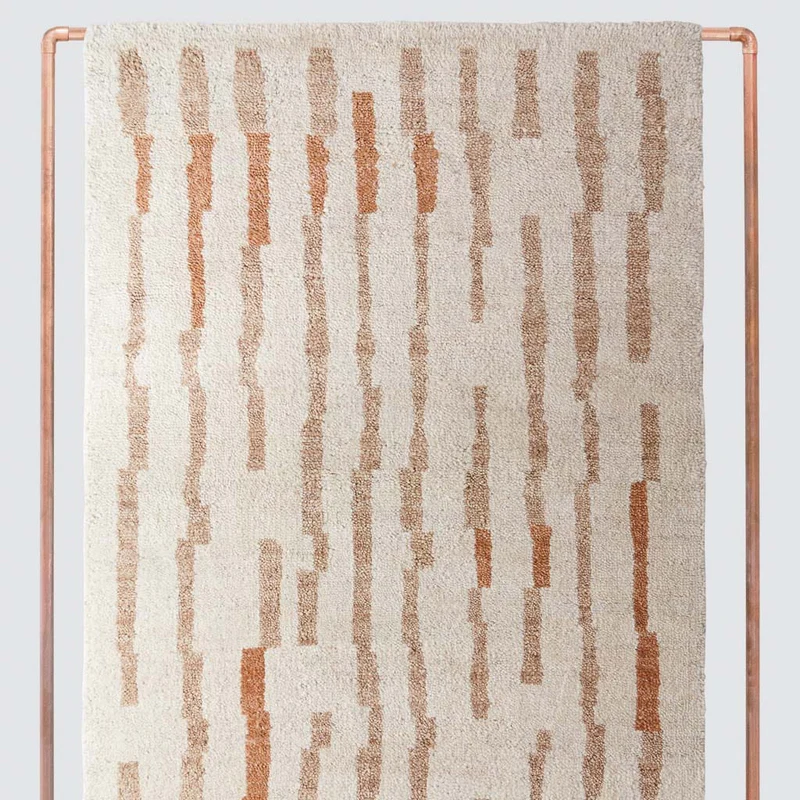
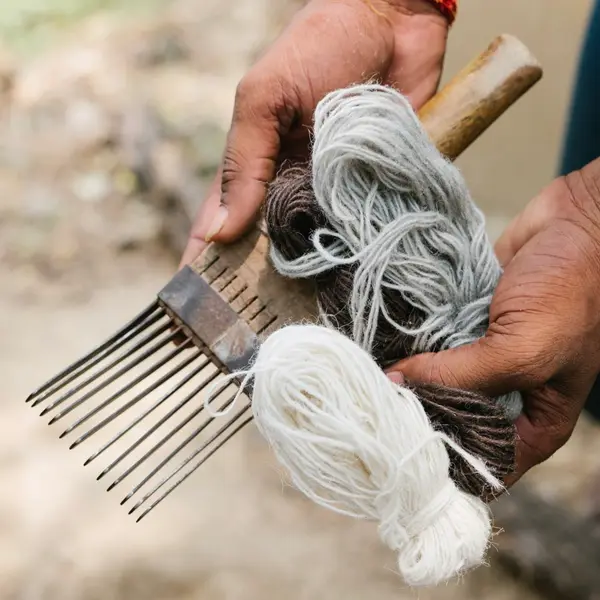
Photos: The Citizenry - Hand-Tufted Rug
Sustainability First
Environmental consciousness is no longer an optional feature—it’s a necessity. Rug makers are responding by embracing eco-friendly materials and processes that minimize waste and reduce environmental impact.
Recycled and Natural Fibers: Rugs made from recycled cotton, wool, and even reclaimed ocean plastics are gaining traction. Brands are also turning to natural fibers like jute, sisal, and bamboo silk for their renewable qualities and earthy aesthetic.
Dye Innovation: Natural dyes derived from plants and minerals are replacing synthetic options. These dyes not only enhance the longevity of rugs but also add a unique depth of color that’s impossible to replicate in mass-produced pieces.
Artisan Craftsmanship: Handmade rugs crafted by artisans are on the rise, celebrating time-honored techniques and fostering fair-trade practices. Supporting these rugs means investing in pieces with character, while also empowering global communities.

Photos: Minna - Handwoven, natural dyed, wool rug
________________________________________________________________________________________________________

Photos: Anthony George
Bold Patterns Make a Statement
Gone are the days of muted, understated designs. Today’s rugs are unapologetically bold, serving as the focal point of any room.
Geometric Reimagination: Classic geometric patterns are taking on new life with exaggerated proportions, vibrant color palettes, and unexpected asymmetry. Think oversized stripes, angular chevrons, and optical illusions that add a modern edge.
Maximalist Motifs: Florals, animal prints, and abstract art-inspired designs are creating a buzz. These rugs defy the minimalist trend, instead inviting layers of texture and intrigue into spaces.
Cultural Narratives: Designers are turning to global influences, from Persian-inspired patterns with contemporary twists to African Kuba cloth-inspired textures. These rugs are a celebration of storytelling through design.
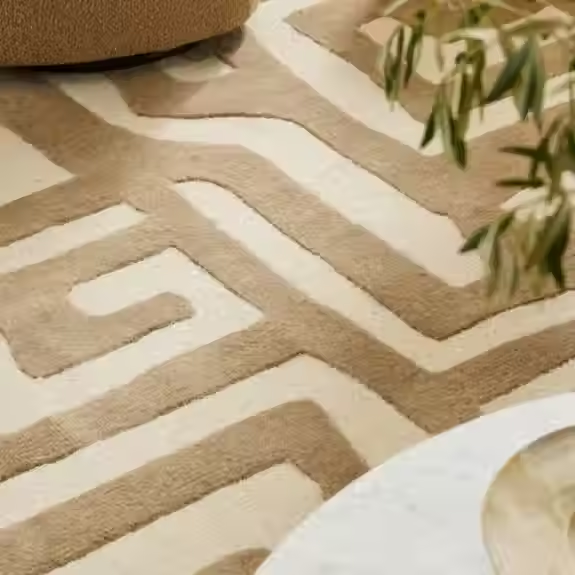
Photo: West Elm - Inspired by his travels through central Africa, Walker created this bold geometric design based on Kuba cloth, a 17th-century textile that originated in the region.
________________________________________________________________________________________________________

Photo: Nanimarquina
The Allure of Organic Shapes
Rug shapes are evolving to embrace the imperfect and fluid. Organic forms, inspired by nature, lend softness and approachability to interiors.
Nature’s Influence: Designs mimic the irregular outlines of river stones, leaves, and other natural elements. These shapes break away from the rigidity of rectangular and circular formats, creating a more relaxed and harmonious feel.
Layered Looks: Layering rugs of varying organic shapes is a popular styling choice, creating depth and dimension. Combining textures—like a plush wool rug atop a flatwoven jute base—adds tactile richness.
Seamless Integration: The trend also caters to open-concept living spaces, where rugs with organic contours can subtly delineate areas without imposing hard boundaries.

Photo: Lorena Canals
Closing Thoughts
This recap just scratches the surface of the trends happening in the rug and carpet world. It’s such an exciting time for designers to take bigger risks—playing with more color, more texture, and finding ways to evoke stronger emotions from a space. Homeowners are embracing this shift too, with commercial offerings stepping boldly into territory that might have once felt too edgy or niche for the mass market. Personally, I’m loving the show and all the fresh perspectives—it’s inspiring to see how far the industry has come and where it’s heading next!


Comments